Identify the pigment
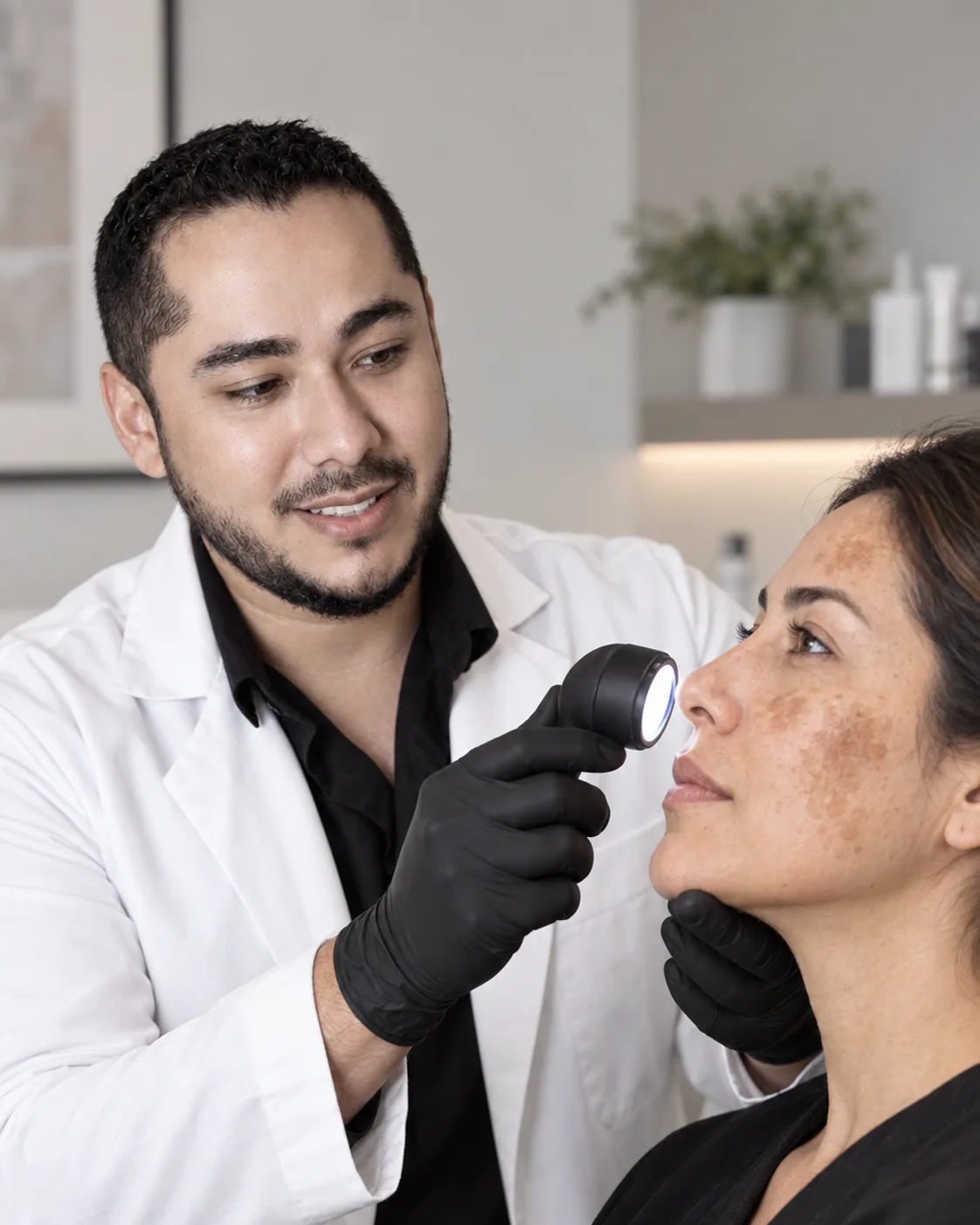
Distinguish melasma, sun spots, post-inflammatory marks and lesions that require further evaluation.
 Book a consultation
Diagnosis · Sun protection · Long-term plan
Melasma, sun spots and post-inflammatory pigmentation may look similar, but they are not treated the same. Assessment starts with diagnosis, triggers and sun protection.
The Luxury approach
01 — UnderstandMelasma is an acquired pigment condition that often appears on sun-exposed areas of the face and may be associated with sunlight, visible light, hormones and individual predisposition. Other spots may result from sun damage, prior inflammation, medicines or lesions that require a different diagnosis.
There is no universal procedure or guaranteed cure. Consistent photoprotection is the foundation, and a plan may include supervised topical products and selected procedures. Melasma tends to recur, so maintenance and tolerance matter as much as early improvement.
This page provides guidance but does not diagnose or replace a consultation. The final recommendation depends on a professional assessment.
What we can assess
Each goal is reviewed separately to avoid unnecessary treatment and organize options with realistic expectations.
Distinguish melasma, sun spots, post-inflammatory marks and lesions that require further evaluation.
Review sun, heat, irritation, hormones, cosmetics and relevant medicines.
Build a tolerable strategy with photoprotection and follow-up, not just a single session.
Clinical assessment
A responsible consultation does not begin with a procedure. It begins by identifying needs, medical history, limitations and alternatives.
Talk with our team →Distribution, color, apparent depth, progression and symptoms of the spots.
Pregnancy, birth control, hormones, medicines and family history.
Current routine, irritation, previous procedures and exposure to sun, heat and visible light.
Skin type, tendency to post-inflammatory pigmentation and any atypical lesion.
Your experience
02 — SupportWe assess whether the pattern is consistent with melasma or another type of pigmentation.
We adjust photoprotection, habits and barrier care as the foundation of treatment.
Products or gradual procedures are selected according to diagnosis and tolerance.
Follow-up helps prevent irritation, adjust the plan and respond to recurrence.
Before deciding
Candidacy is not determined by a photograph or a trend. These are general guidelines and must always be confirmed during a consultation.
Safety and expectations
Excess energy, exfoliation or active ingredients can worsen pigmentation. The plan should match your skin type and actual tolerance.
Redness, burning, peeling, dermatitis and post-inflammatory pigmentation may occur.
Peels, microneedling, lasers or light devices are not a universal first choice and may worsen some cases.
Some medicines require supervision, time limits or specific precautions.
An atypical spot should not receive cosmetic treatment before another condition is ruled out.
Frequently asked questions
03 — Answer questionsIt usually behaves as a recurring condition. It can improve, but trigger control, photoprotection and maintenance are needed.
No. Pigment type and skin type matter; some devices may cause rebound or post-inflammatory pigmentation in melasma.
Broad-spectrum SPF 30 or higher is generally recommended. Tinted products with iron oxides may help protect against visible light in melasma, but the product must also be comfortable enough to use consistently.
Pigment changes slowly. Timing depends on diagnosis, depth, adherence and exposure, so promising an exact date would not be responsible.
Medical sources
We select references from health authorities and medical organizations. Indications and authorizations applicable in Mexico should be confirmed with COFEPRIS.
Informational content reviewed July 31, 2026. FDA references describe regulation and safety in the United States; local availability and authorization of products, devices and procedures must be verified in Mexico.
Location and appointments
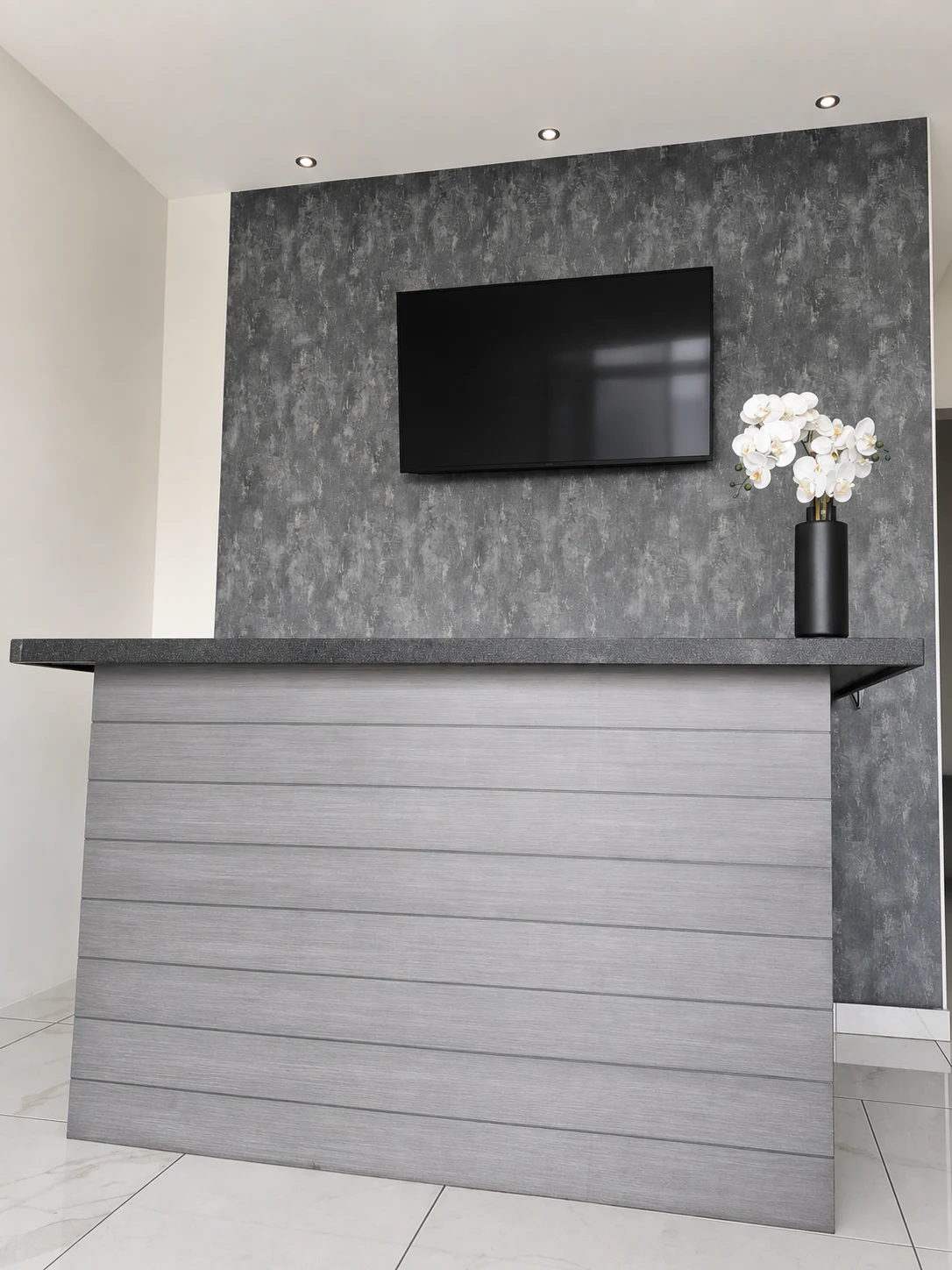
Visit us in Cabo San Lucas for a personalized consultation. We work by appointment so our team can dedicate the right time to your history, goals and questions.
Luxury Medical Spa · Cabo San LucasCalle Morelos, Mza. 218, Lote 02 · Col. Ejidal, C.P. 23470, Cabo San Lucas, B.C.S.Next step
Tell us what you would like to improve. A consultation lets us explain whether there is an appropriate option, what to expect and which alternatives are available.